The Circular Water Stories research started in 2018/2019.
Most students of the CWS lab joined the analysis of the Traditional Water Systems, gaining input for their thesis project. Moreover, a few graduation projects conducted before 2018 are added, since they deal with the Circular Water Stories topic, as well. Different mentors from the LA section guide the students during their, one year lasting, thesis process. The student’s first mentor is always a member of the LA section, the second mentor derives from another discipline a.o. architect, urbanist, civil engineer, ecologist, preferably a member of the TU Delft.
The title and the image give a hint towards the content of the project. By clicking, you will be connected to the TU Delft education repository, getting access to the entire thesis.
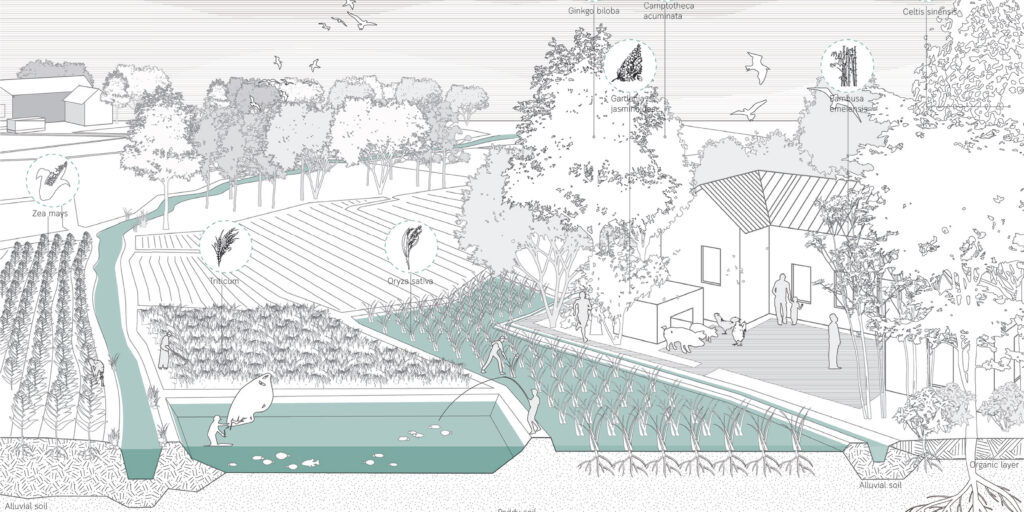
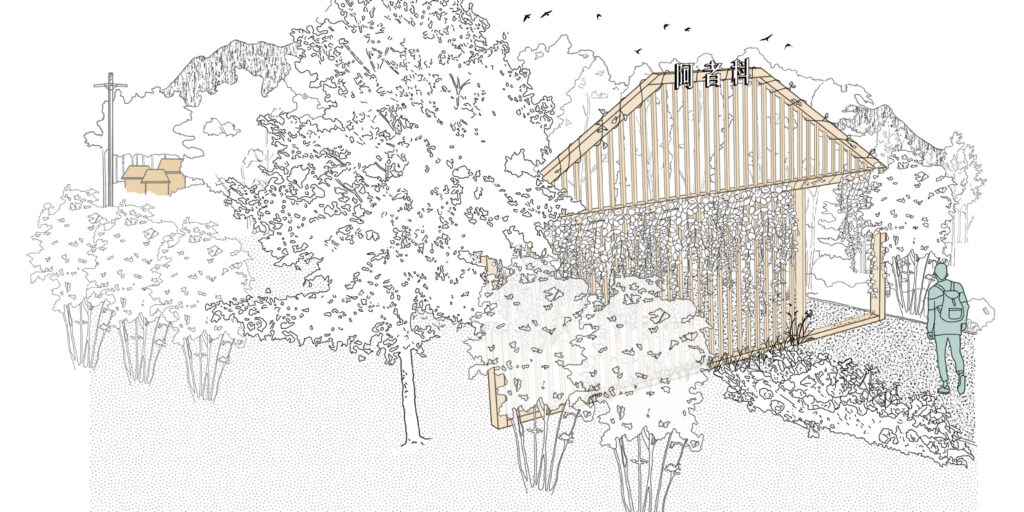
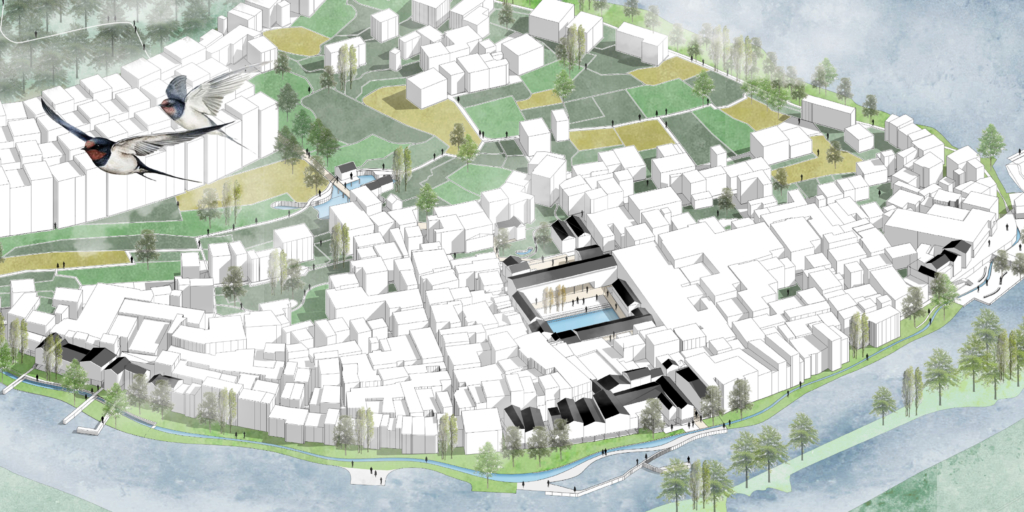
Bring Linpan back to life: Revival of the Linpan community, Sichuan, China, in a modern context through adaptation and appreciation of its circularity
The Intermotion Landscape: An Experimental Design on Movement, Place Making and the Appreciation of the Cultural Landscape in the Zaanstad Area
[Re] Birthing Rural Areas: A Journey Towards Environmental Rejuvenation and Social Progress
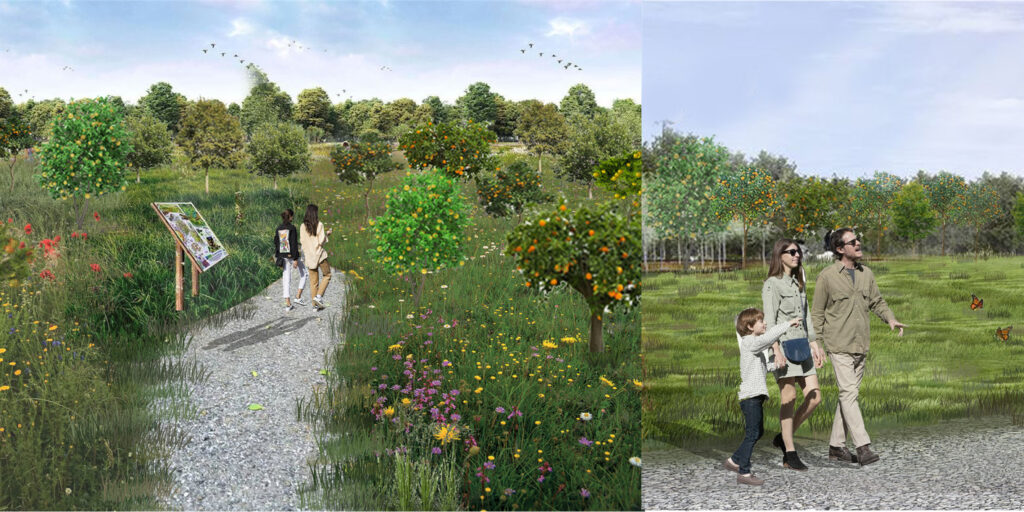
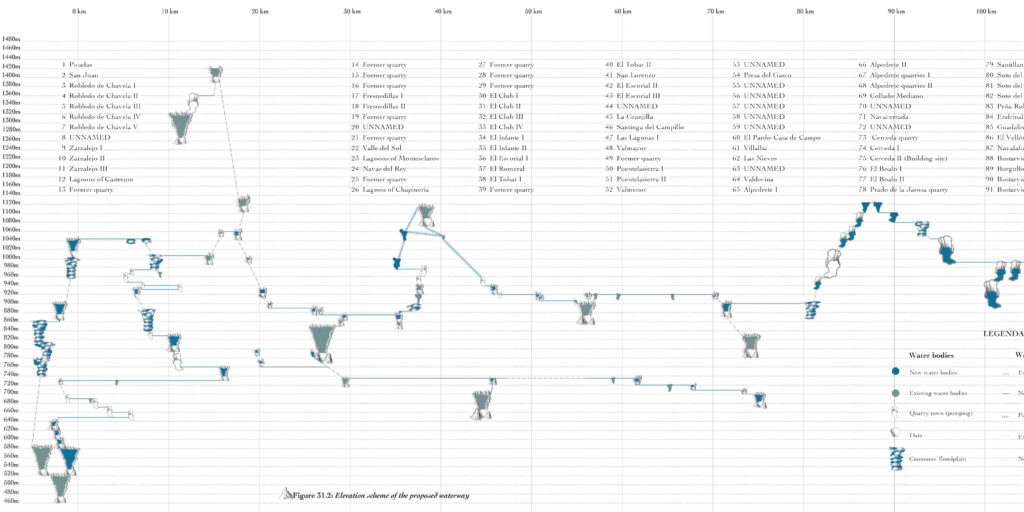
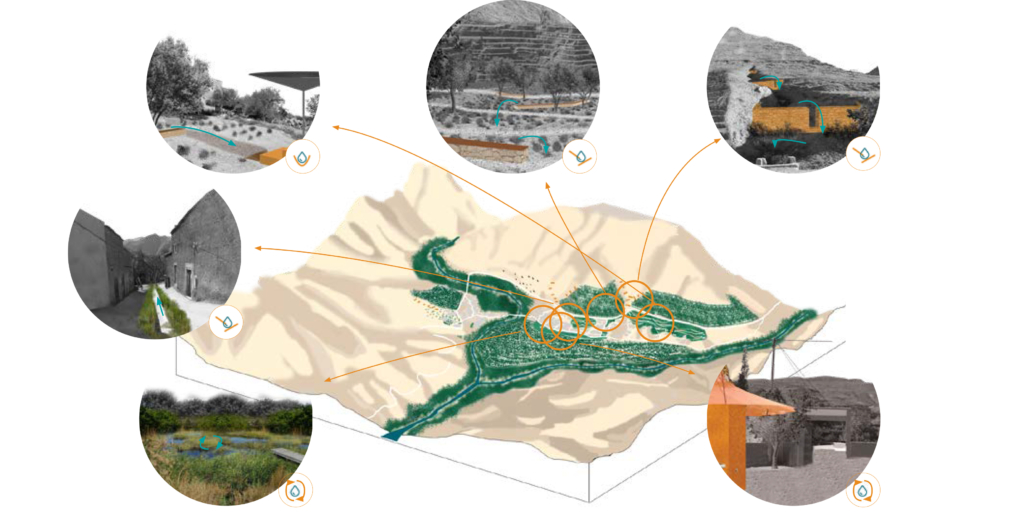
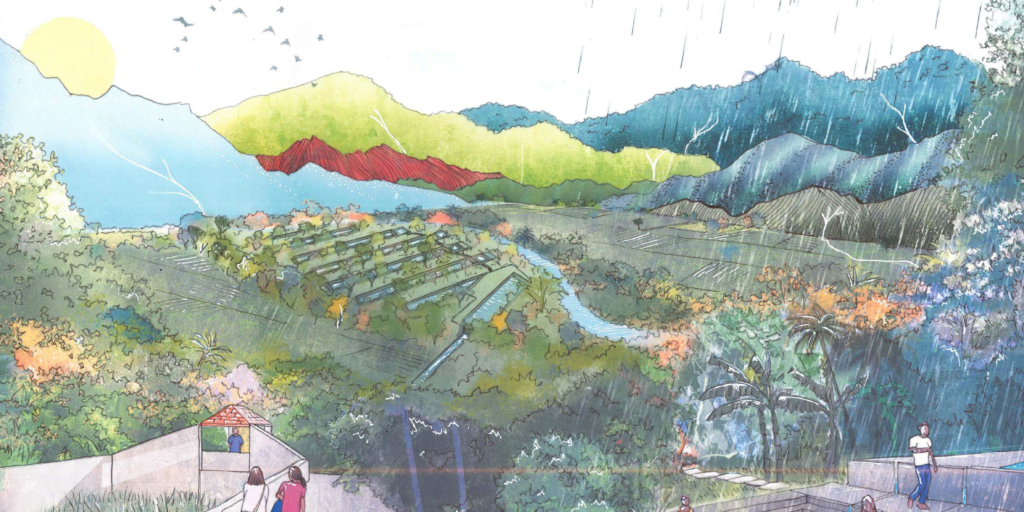
On the rocks – a breakable heaven: A new water system and way of living for the Guadarrama mountains, in Spain
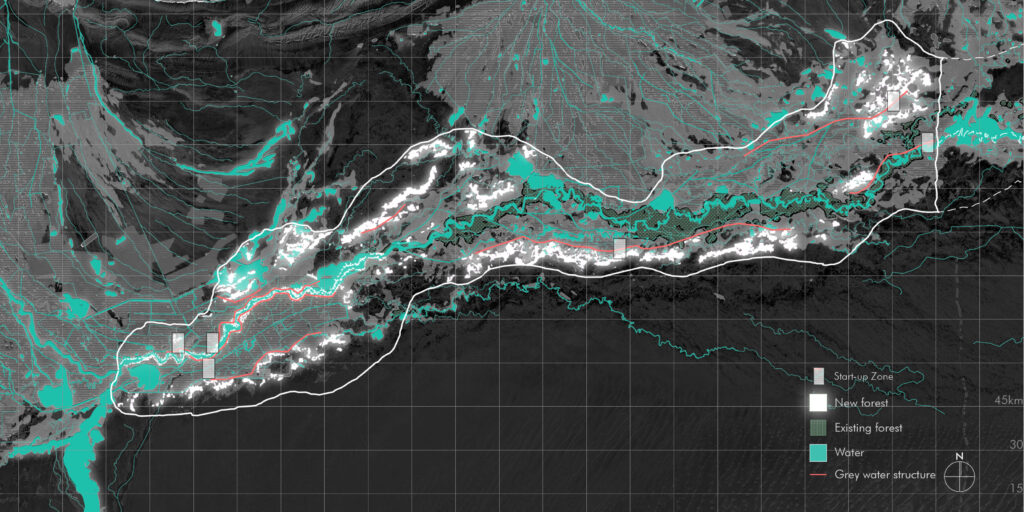
Quenching Thirst: Cooperation and interaction by living with water from Huamantanga in the hills to Lima on the coast, Peru
Water steps: Reviving the Bagmati River in the Kathmandu Valley
From ”Stone City” to ”Hidden Water Region”: Visualize and value the invisible water flows in Matera
Pop Out Milan: Unveiling Milan’s urban Renaissance through the rebirth of the Navigli Canal system as a landscape connection and social link
Reactivating traditional villages: Towards a sustainable cultural landscape for Yuanyang County
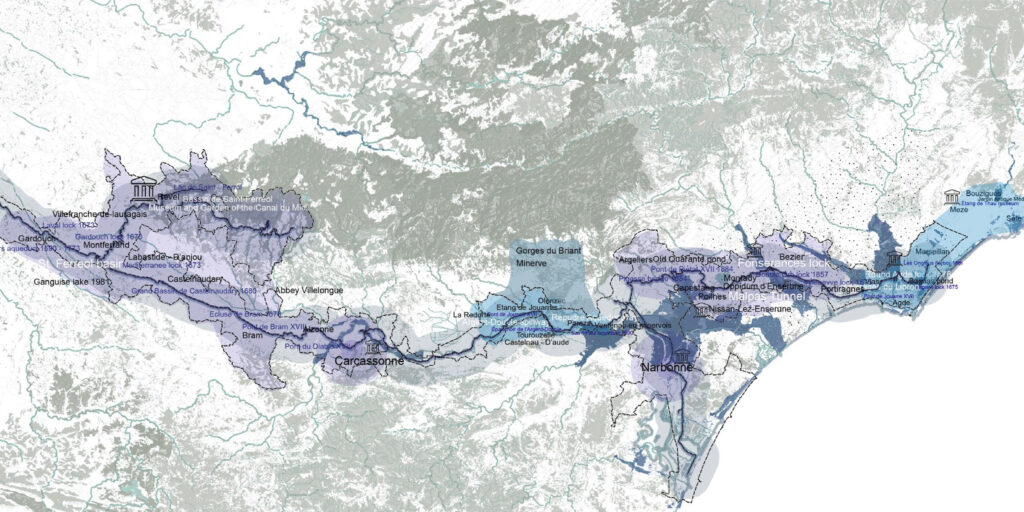
The Canal Story: Canal du Midi – the Living Water Heritage
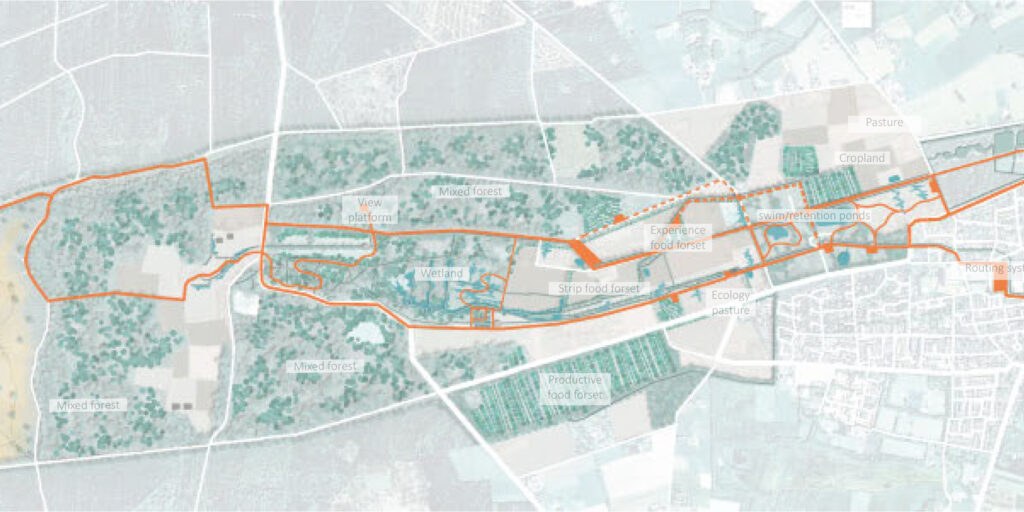
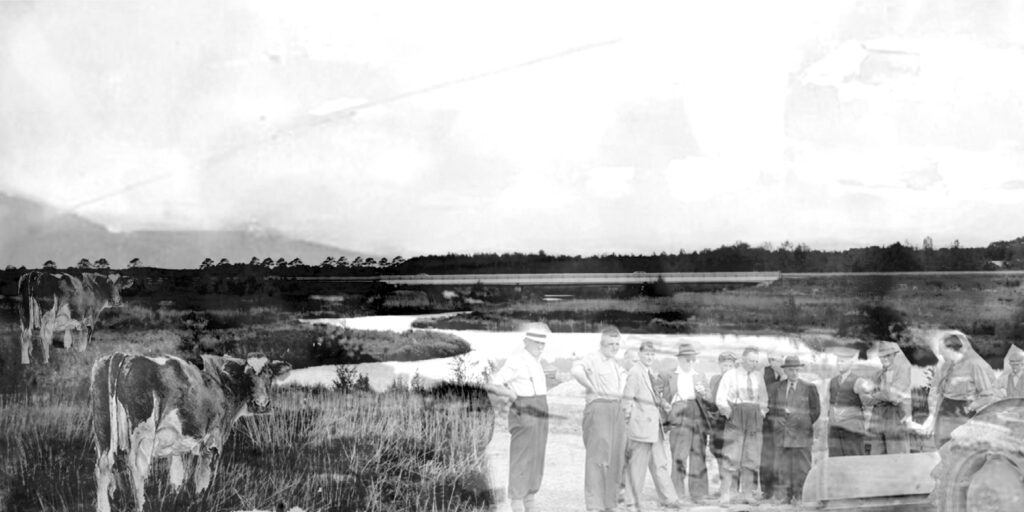
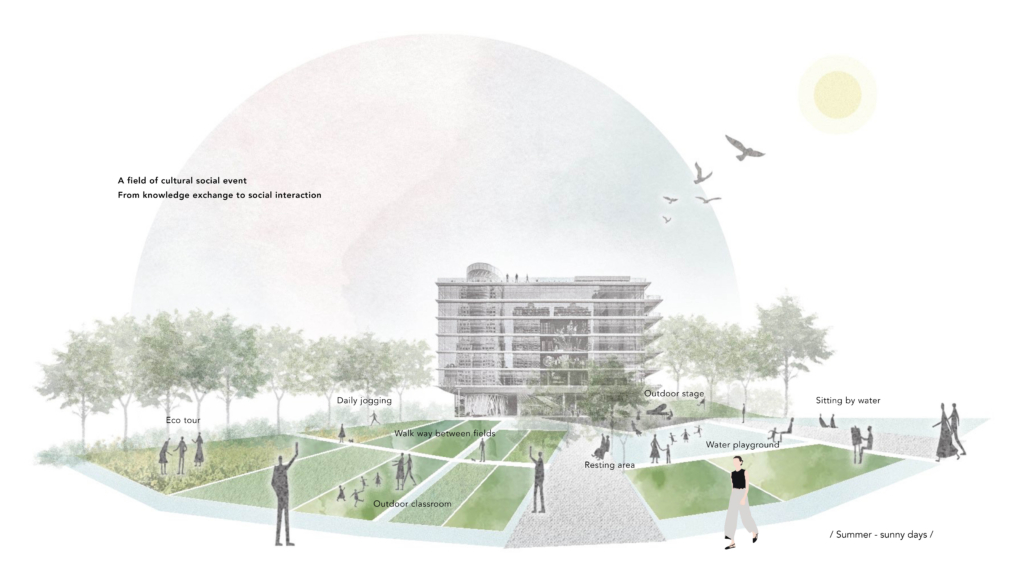
Revive the Sprengenbeek landscape: Integration of a heritage water system into the renewed circular agricultural landscape at Vaassen, Veluwe
Yofyros: A River Beyond Banks: Revealing and redefining Yofyros river landscape as a bridge between the identity of the place and people living with water
From ambigious borderscapes to pluralism: An alternative landscape representation as a way of integrating ‘nature’ and ‘culture’ around the Hunze valley
From survival to revival: A new water management way for upper reaches of Tarim River integrated a sustainable livelihood design
Ancient salination: A generator for a sustainable development of the salt villages in Danzhou
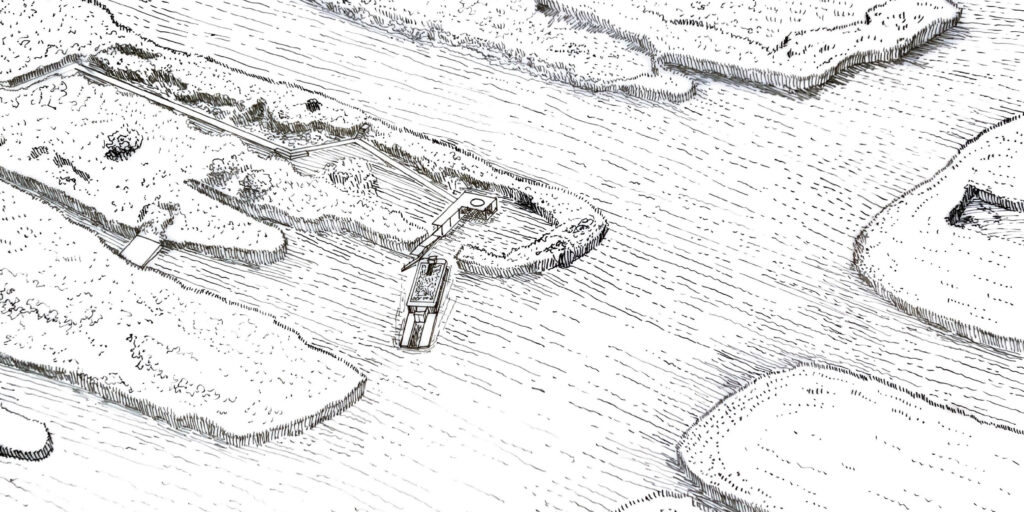
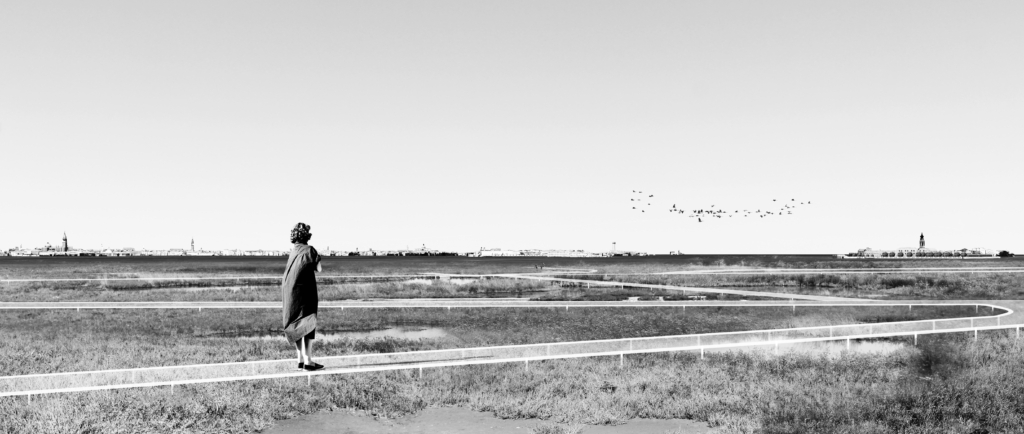
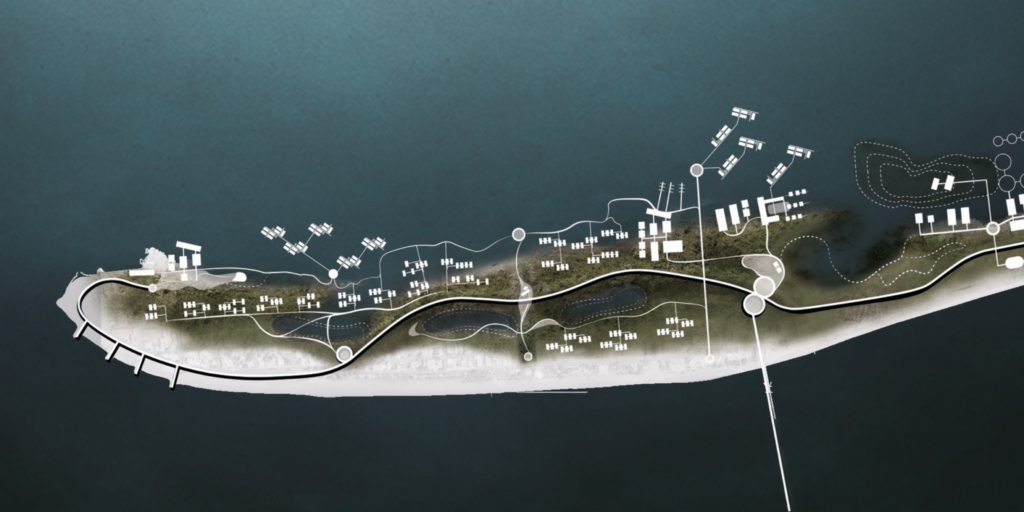
The Operating Venetian Lagoon – The Agency of Barene: A resilient landscape infrastructure towards ecological, cultural and productive heritage preservation
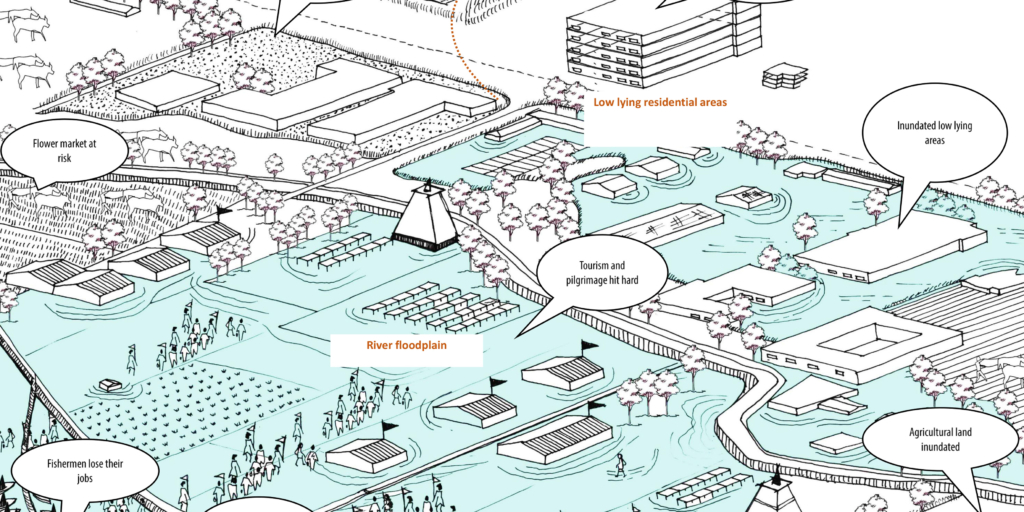
Landscapes In-Flux: Journey through the dynamic floodplains of holy river Ganga at Prayagraj, India
Land can sometimes be water: Bridging the dichotomy between land and water through amphibious landscapes
Beyond sand and water: Opportunities for the continuous social, structural and morphological transformation of Puntarenas
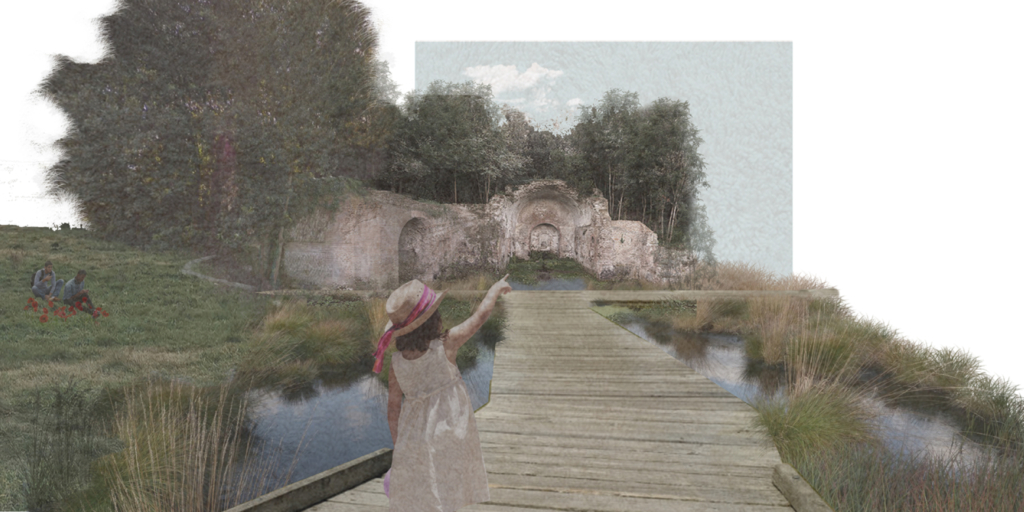
Revealing Rome’s Water-Based Culture: a resilient, dynamic and interactive layer, Italy
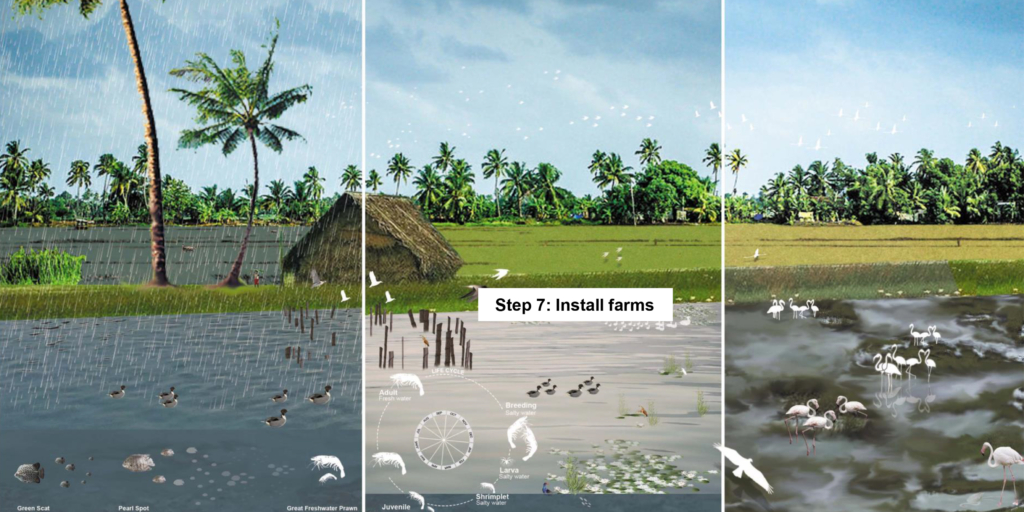
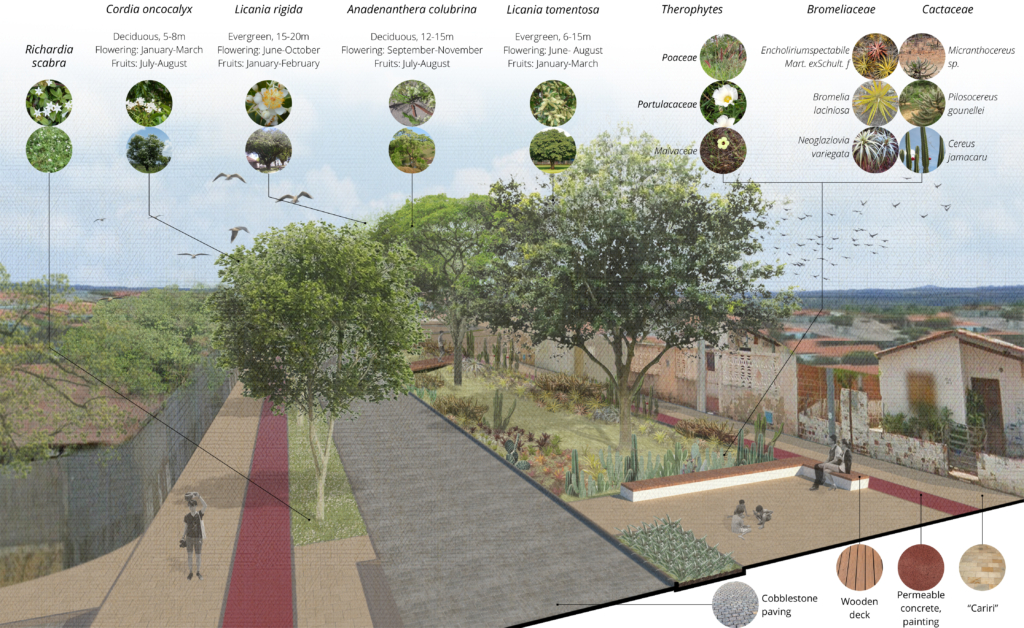
Watering the Semiarid: designing a wetness retention landscape in Jaguaribara, Brazil
A New Watery Balance: redefining the scenic and circular waterscape in the village of Wuyuan, China
Reveal the Unseen- Retrieving Sense of Place by Public Water Space based on the Former Irrigation System, Ksôkong Tsùn, in Kaohsiung, Taiwan
Breath: redefining a zone of informal settlements for Ho Chi Minh City, Vietnam
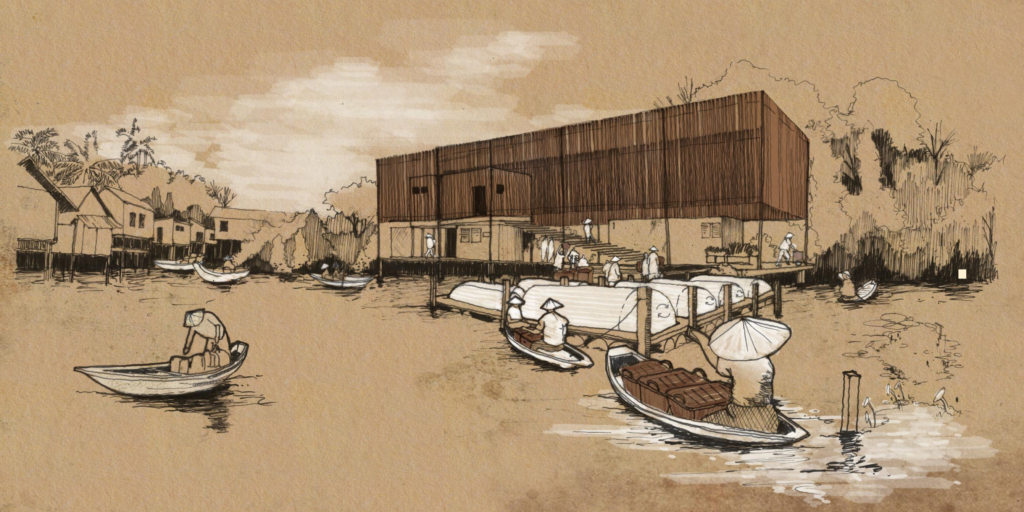
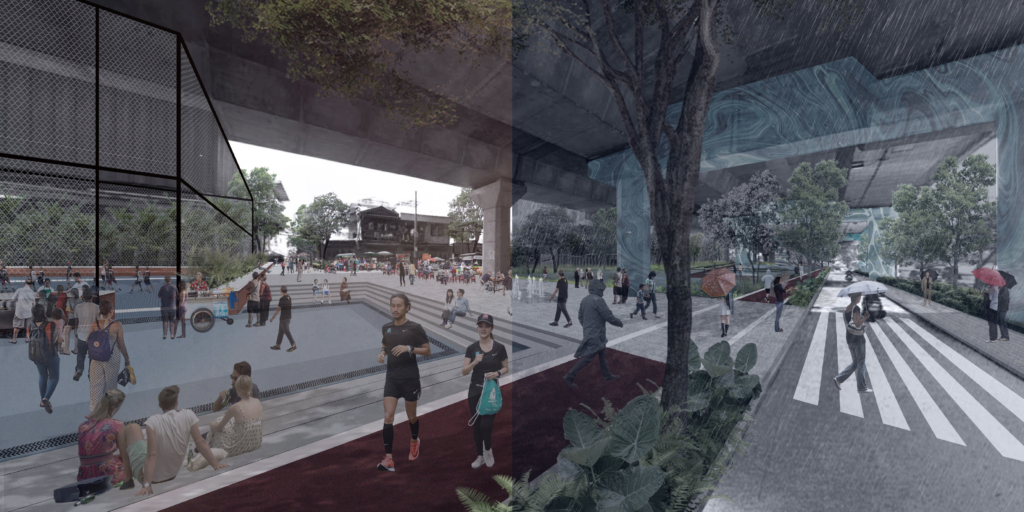
Redefining Bangkok’s Inclusive Water-Based Society: flood resilience planning of adaptive and performative hybrid infrastructure network, Thailand
Re-connecting with water: creating spatial solutions for water collection and storage in rural areas, which suffer from water scarcity and loss of social and environmental cohesion, Morocco
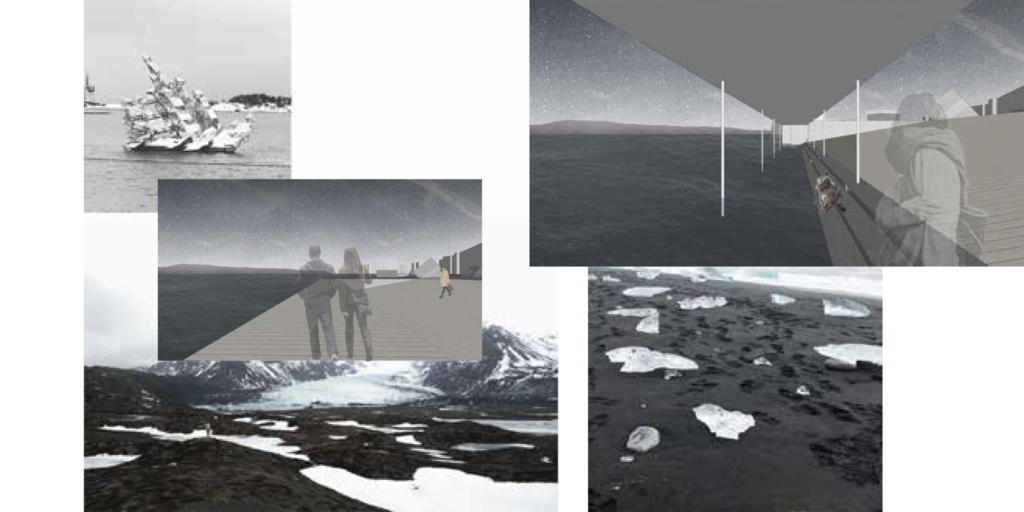
Minimal Intervention in Oslo: an attempt of reading the ultimate, Norway
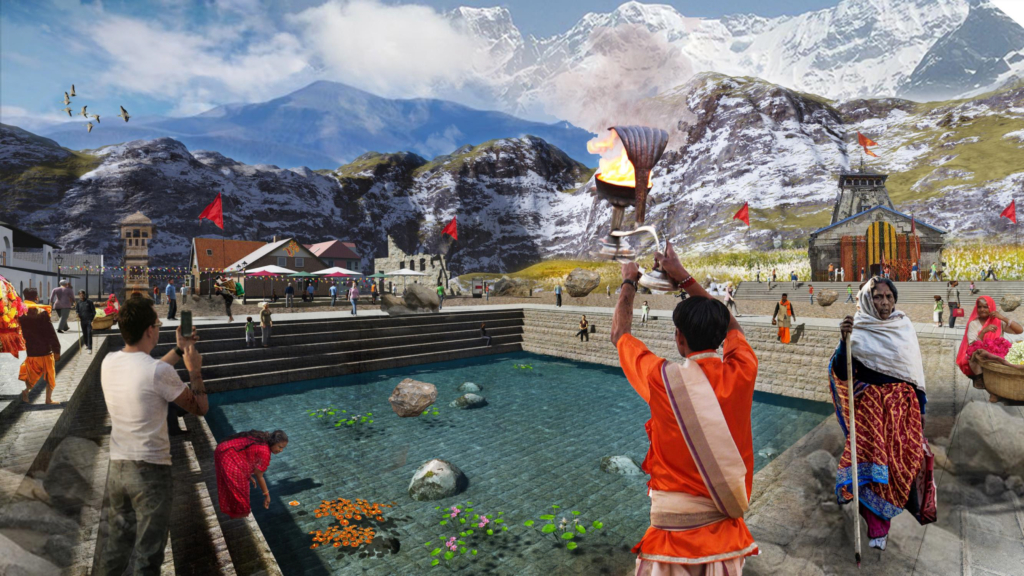
Rising out of the Wrath: the post-disaster religious landscape of Kedarnath valley, India
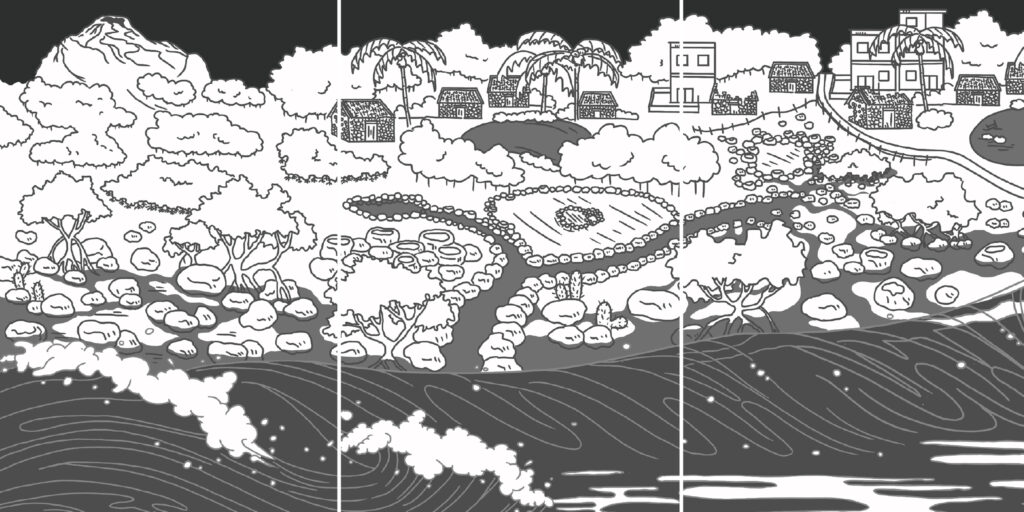
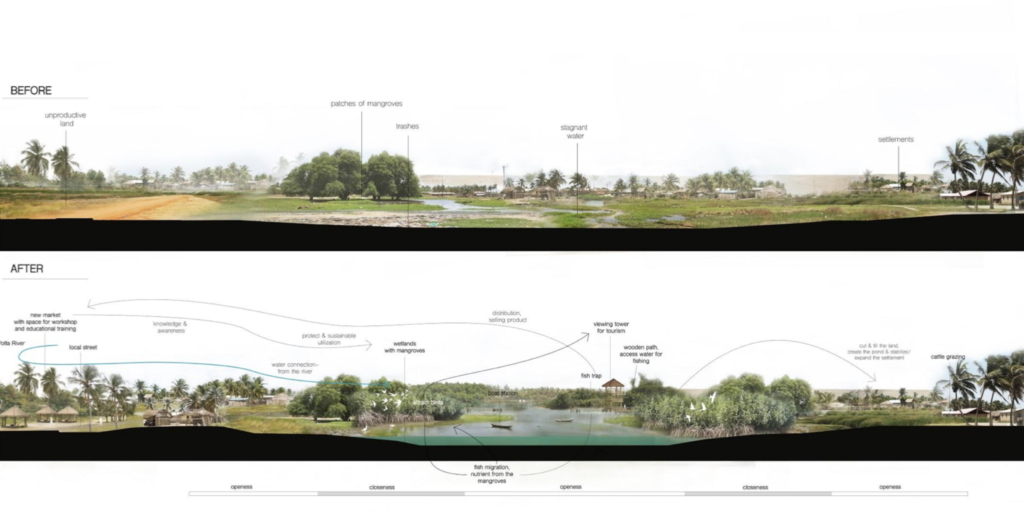
The Living Estuary: a study of developing landscape spatial adaptive strategies to integrate the water, ecosystem and anthropo-dynamics in the Estuary of Volta Delta, Ghana
The Production Valleys: finding balance between people and environment, Honduras